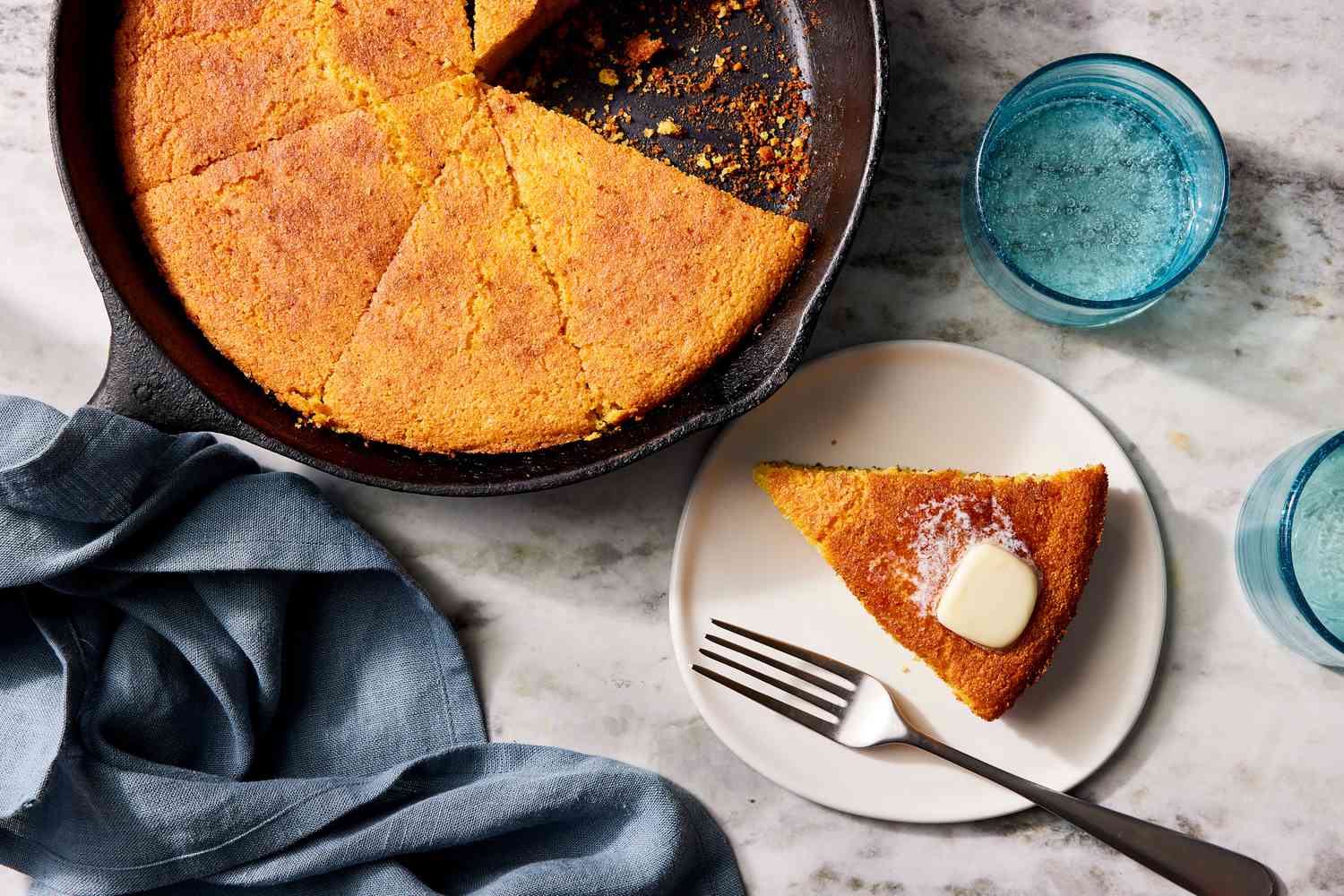
Mastering Southern Skillet Cornbread: Bacon Drippings & Buttermilk Secrets
There are few culinary creations as deeply woven into the fabric of Southern cuisine as a perfectly executed skillet cornbread. It's more than just a side dish; it's a legacy, a comfort, and a testament to the region's resourceful cooking traditions. Imagine a cornbread that's simultaneously crisp on the outside, thanks to a shimmering layer of bacon drippings, and incredibly moist and tender within, imbued with the subtle tang of buttermilk. This isn't just a dream; it's the authentic taste of Southern hospitality, brought to life in a trusty cast-iron skillet.
For many, the quest for the ultimate skillet cornbread mirrors a journey back to childhood, to the kitchen of a beloved grandparent. As one community member, goldens2luv, beautifully articulated, "For probably the last 25 years, I have been trying to recreate my beloved grandma’s cornbread... My search is over! It is perfectly crisp, moist, and golden brown. After the first bite, I apologized to my husband for all the times I missed the mark in the past. This one, I’m committing to memory!" This article aims to guide you to that very same revelation, revealing the simple yet profound secrets that elevate this humble dish to an art form.
The Soul of Southern Skillet Cornbread: Why It's More Than Just a Side
At its heart, Southern skillet cornbread embodies a philosophy of making the most of what's available. It's a culinary practice born out of necessity and ingenuity, transforming basic ingredients into something extraordinary with minimal fuss. The recipe's straightforward nature is deceptive; while it requires just around 10 minutes of hands-on prep time, the resulting flavor and texture are anything but simple. This ease of preparation, combined with its deeply satisfying taste, has cemented cornbread's place as a cornerstone of Southern meals, from everyday dinners to celebratory potlucks.
Unlike its more recent cousin, the biscuit, cornbread boasts an even longer history as a regional staple, deeply tied to the prevalence of corn crops throughout the South. It speaks to a heritage where every ingredient was valued, and nothing went to waste—especially not the precious flavor-packed bacon drippings. The perfect skillet cornbread isn't just food; it's a connection to history, a taste of home, and an essential companion to countless Southern main dishes.
Unlocking the Flavor: Essential Ingredients for Authentic Skillet Cornbread
Achieving that coveted crisp, moist, and golden brown perfection in your skillet cornbread relies on a carefully selected cast of just a handful of ingredients. Each plays a crucial role, contributing to the symphony of texture and flavor that defines this classic dish. You'll be surprised how much magic can be created with so little:
- Bacon Drippings: The Unsung Hero
This is arguably the most critical ingredient, the very soul of true Southern skillet cornbread. Bacon drippings provide an incredible depth of savory flavor that butter alone simply cannot replicate. More importantly, when heated in the cast-iron skillet, they create that irresistible, shatteringly crisp crust that is the hallmark of authentic cornbread. Don't be tempted to substitute; save your bacon fat in a jar in the fridge for this very purpose. - Self-Rising Cornmeal Mix: Convenience Meets Quality
While some purists might prefer to blend their own, a good quality self-rising cornmeal mix simplifies the process immensely. It typically contains cornmeal, leavening agents (like baking powder), and salt, ensuring a consistent rise and flavor profile. If you only have plain cornmeal, you can approximate self-rising by adding about 1 ½ teaspoons of baking powder and ½ teaspoon of salt per cup of cornmeal. - Baking Soda: The Leavening Assistant
Even with self-rising cornmeal, a touch of baking soda is often included. This is because baking soda reacts with the acidity in the buttermilk, creating additional carbon dioxide bubbles that contribute to the cornbread's light and tender crumb. - Eggs: Structure and Richness
Two large eggs provide essential structure to the cornbread, binding the ingredients together and preventing it from becoming crumbly. They also add a subtle richness to the batter, contributing to its overall moistness. - Buttermilk: The Moisture & Tang Maestro
Buttermilk is the secret to a moist, tender, and slightly tangy skillet cornbread. Its acidity not only activates the baking soda, aiding in leavening, but also breaks down gluten, resulting in a softer texture. If you're out of buttermilk, you can make a substitute by adding a tablespoon of lemon juice or white vinegar to regular milk, letting it sit for 5-10 minutes until it slightly curdles. - Butter: The Finishing Touch
While not strictly part of the batter, a generous pat of butter spread over the hot cornbread as soon as it comes out of the oven is a non-negotiable step for many. It melts into the warm bread, adding an extra layer of richness and flavor, making each bite even more luxurious.
The Method to the Magic: A Step-by-Step Guide to Perfect Skillet Cornbread
The beauty of Southern skillet cornbread lies not only in its ingredients but also in its deceptively simple technique. Follow these steps for a cornbread that will earn rave reviews:
- Preheat Oven & Skillet with Drippings: Begin by preheating your oven to a robust 425°F (220°C). Crucially, place about 2-3 tablespoons of bacon drippings directly into your cast-iron skillet (a 9 or 10-inch skillet works best). Place the skillet with the drippings into the preheating oven for about five minutes. This step is non-negotiable for achieving that coveted crispy crust and preventing sticking. You want the skillet to be screaming hot when the batter goes in.
- Prepare the Cornbread Batter: In a mixing bowl, combine your self-rising cornmeal mix and baking soda. Whisk them together thoroughly. Next, create a shallow well in the center of the dry mixture. In a separate bowl, lightly whisk together the two eggs and the buttermilk. Pour this wet mixture into the well of the dry ingredients. Stir just until moistened. A few lumps are perfectly fine; overmixing can lead to tough cornbread.
- Incorporate the Hot Bacon Drippings: Carefully remove the scorching hot skillet from the oven. Gently tilt the skillet in all directions to ensure the bottom and sides are thoroughly coated with the glistening hot drippings. This creates a non-stick surface and an incredible flavor foundation. Now, pour the remaining hot drippings directly from the skillet into your prepared batter. Whisk quickly to incorporate the drippings throughout the batter. This step is key to both flavor distribution and that iconic crispy texture.
- Bake to Golden Perfection: Pour the entire batter into the now thoroughly coated, hot cast-iron skillet. The batter should sizzle as it hits the hot metal. Return the skillet to the preheated oven and bake for approximately 27 minutes, or until the top is beautifully golden brown and a wooden skewer or toothpick inserted into the center comes out clean.
- Serve with Southern Flair: Once baked, carefully remove the skillet from the oven. For easy serving, you can often invert the cornbread onto a serving plate. Cut into wedges and serve immediately. As a true Southern touch, place a generous pat of butter on top of each hot slice, allowing it to melt into the bread's pores. It's the perfect accompaniment to chili, collard greens, or a bowl of pinto beans.
The Southern Stance: Why Sugar Takes a Backseat
One of the most defining characteristics of authentic Southern skillet cornbread is the conspicuous absence of sugar. Traditional Southern cooks firmly believe that cornbread should be savory, serving as a robust counterpart to rich, flavorful main dishes. Adding sugar, they argue, transforms it into something akin to cake, which simply doesn't pair well with staples like pinto beans or turnip greens. As one Southern Living community member eloquently put it, "Thank you so much for not adding sugar to the recipe. Sugar makes cakes. Cake and pinto beans?"
While regional variations exist, and some Southerners do enjoy a hint of sweetness, the classic approach prioritizes the natural earthy flavor of cornmeal balanced by the savory notes of bacon and the tang of buttermilk. It's a matter of culinary philosophy, where simplicity and complementary flavors reign supreme. For a deeper dive into this fascinating regional preference, you might enjoy reading Why Southern Skillet Cornbread Skips the Sugar: A Regional Staple.
Beyond the Basics: Serving Suggestions and Tips
While perfect on its own, Southern skillet cornbread truly shines when paired with other Southern delicacies. It's the ideal absorbent companion for soaking up the "pot liquor" from collard greens or mustard greens. It's non-negotiable alongside a hearty bowl of chili, acting as both a spoon and a flavor enhancer. And, of course, a warm wedge with a dollop of butter next to a plate of slow-cooked pinto beans is a quintessential Southern meal.
For those eager to perfect their technique and explore the nuances of this delightful dish, remember that practice makes perfect. Don't be afraid to experiment slightly with baking times to achieve your preferred level of golden crispness. And if you're looking for more quick and delicious Southern recipes, check out Easy Southern Skillet Cornbread: Crispy, Moist, and 10-Minute Prep.
Conclusion
Mastering Southern skillet cornbread is a rewarding endeavor that connects you to a rich culinary tradition. By embracing the simple power of bacon drippings and the tenderizing magic of buttermilk, you can recreate that beloved, perfectly crisp, moist, and golden brown cornbread that has graced Southern tables for generations. It’s a testament to the fact that the most profound flavors often come from the most straightforward ingredients and techniques. So, grab your cast-iron skillet, gather your ingredients, and prepare to commit this timeless recipe to memory – your taste buds, and perhaps even your family, will thank you.
