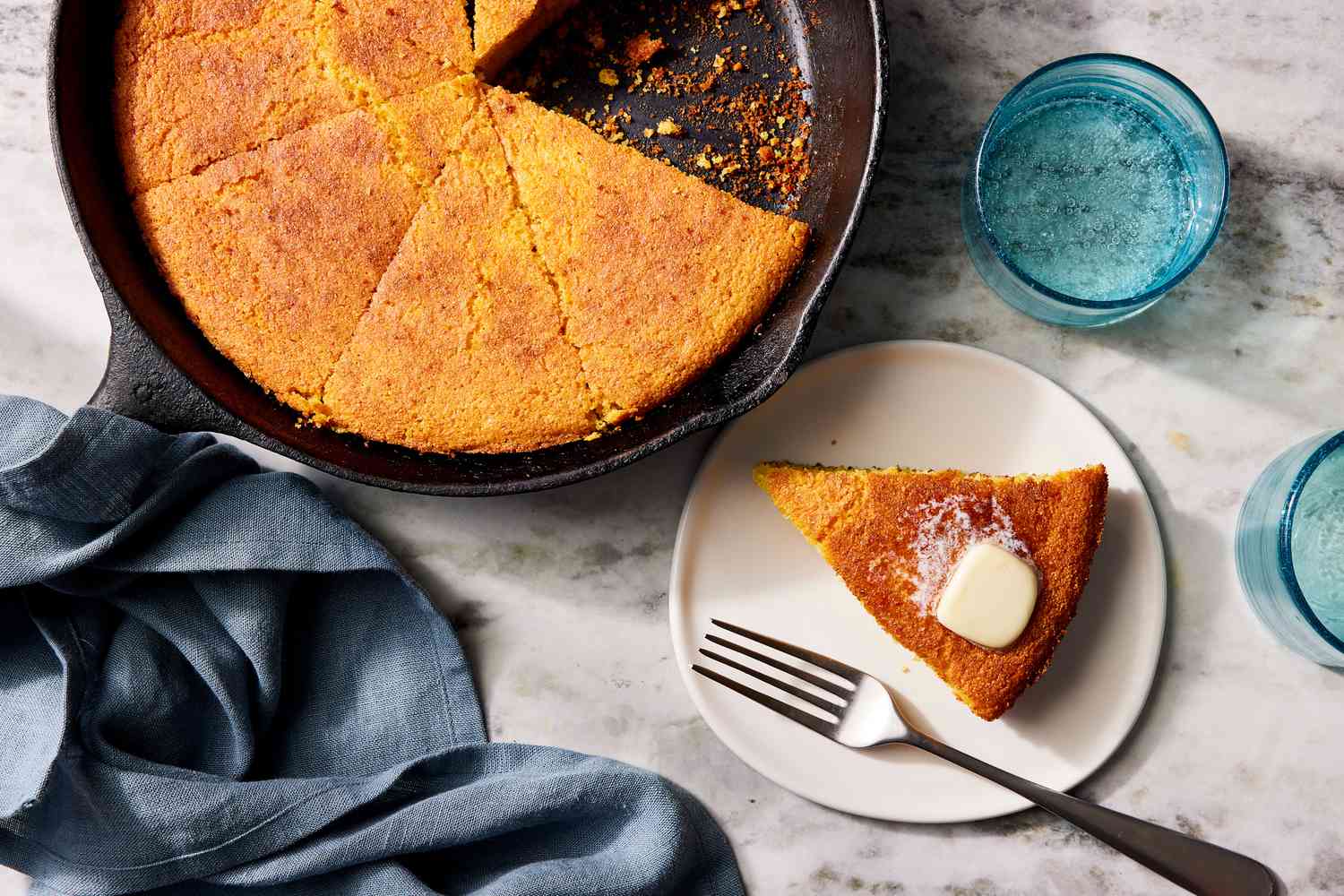
Why Southern Skillet Cornbread Skips the Sugar: A Regional Staple
There are few culinary delights as emblematic of Southern hospitality and ingenuity as a perfectly baked batch of skillet cornbread. Golden-brown, with a crisp crust and a tender, moist interior, it’s a cornerstone of countless meals. Yet, for those unfamiliar with true Southern tradition, one aspect often sparks curiosity: the noticeable absence of sugar. Unlike its sweeter Northern counterparts, authentic Southern skillet cornbread proudly holds its savory ground. This isn't just a preference; it's a culinary philosophy rooted in history, purpose, and a deep appreciation for the natural flavors of its simple, robust ingredients.
Join us as we delve into the heart of this regional staple, exploring why sugar often remains an unwelcome guest in the Southern cornbread pan, and uncovering the secrets that give this classic its undeniable, irresistible charm.
The Heart of Southern Cuisine: Why Cornbread Reigns Supreme
Long before wheat flour became readily available, corn was a primary crop for indigenous peoples and early settlers throughout the American South. This abundance made cornmeal a fundamental ingredient, and cornbread, in various forms, became a dietary cornerstone. It’s more than just a side dish; it's a historical link to a time when resourcefulness and local ingredients dictated the menu.
Unlike biscuits, which also hold a revered place in Southern cooking, cornbread's lineage stretches back even further, solidifying its status as a foundational element of the region's culinary identity. It's a humble dish, yet profoundly versatile, capable of accompanying everything from a hearty bowl of chili to a delicate plate of collard greens. Its ability to absorb rich gravies and balance robust flavors makes it an indispensable part of a traditional Southern spread. This deep-seated role as a savory companion is key to understanding why many Southerners fiercely protect its sugar-free integrity.
Unpacking the "No Sugar" Stance: A Culinary Philosophy
For many Southern cooks, the idea of adding sugar to cornbread is akin to adding sugar to a savory dinner roll – it simply doesn't fit the profile. The consensus among purists is clear: cornbread is not dessert. It’s meant to be a savory counterpart to the main meal, a sturdy vehicle for sopping up pot liquor from greens or complementing the richness of beans and stews. Adding sugar, they argue, transforms it into something else entirely – a cake.
One passionate community member famously quipped, "Sugar makes cakes. Cake and pinto beans?" This sentiment perfectly encapsulates the traditional Southern perspective. Sweet cornbread, while delicious in its own right, occupies a different category and serves a different purpose. The traditional Southern approach prioritizes the earthy sweetness of the cornmeal itself, enhanced by the rich, savory notes of other key ingredients. It’s about letting the authentic flavor of the corn shine through, unmasked by overt sweetness.
This isn't to say that a touch of sweetness is universally condemned; regional variations and personal preferences do exist. Some modern interpretations might include a hint of sugar, particularly when served with sweeter accompaniments. However, when seeking true, unadulterated Southern skillet cornbread, expect a savory experience that perfectly complements the savory dishes it accompanies.
The Secrets to Authentic Skillet Cornbread: Beyond the Absence of Sugar
While the lack of sugar is a defining characteristic, it's the masterful interplay of a few simple ingredients and techniques that truly elevates Southern skillet cornbread to its legendary status. It’s a testament to the "use what you have" philosophy, turning everyday staples into something extraordinary.
The Magic of Bacon Drippings
Perhaps the most critical, yet often overlooked, ingredient in authentic Southern skillet cornbread is bacon drippings. This isn't just about greasing the pan; it's about infusing every bite with an unparalleled depth of savory flavor and ensuring that coveted crispy crust. As one appreciative home cook noted, "It is perfectly crisp, moist, and golden brown." This perfection is largely thanks to the drippings.
Before the batter even hits the pan, a good Southern cook warms bacon drippings in a cast-iron skillet in a hot oven. This creates a super-heated, non-stick surface that instantly begins to crisp the batter upon contact. Furthermore, pouring some of those hot drippings directly into the batter adds another layer of richness and flavor, making the cornbread incredibly moist and flavorful from the inside out. For a deeper dive into this and other ingredient secrets, check out our guide on Mastering Southern Skillet Cornbread: Bacon Drippings & Buttermilk Secrets.
Buttermilk and Self-Rising Cornmeal: The Perfect Pair
The base of traditional Southern skillet cornbread typically consists of just a few core components:
- Self-rising cornmeal mix: This ingenious blend, common in Southern kitchens, already contains leavening agents like baking soda and salt, simplifying the process and ensuring a consistent rise. It’s a shortcut born of practicality that yields fantastic results.
- Buttermilk: Far from being an optional extra, buttermilk is essential. Its acidity reacts with the baking soda in the self-rising cornmeal (or added separately if using plain cornmeal), creating carbon dioxide bubbles that give the cornbread its tender, fluffy texture. Beyond leavening, buttermilk also imparts a subtle tang and richness that adds complexity and keeps the crumb wonderfully moist.
- Eggs: Usually two, eggs bind the ingredients together, adding structure and contributing to the overall richness and golden hue.
These ingredients, combined with the hot drippings, work in harmony to create a cornbread that is simultaneously robust and delicate, crispy and tender.
The Cast-Iron Skillet: An Essential Tool
You simply cannot talk about authentic Southern skillet cornbread without mentioning the cast-iron skillet. This heavy, durable pan is more than just cookware; it's a legacy piece, often seasoned over generations. Its exceptional heat retention and even heat distribution are crucial for achieving that signature, deeply golden, and incredibly crisp crust that defines a truly great cornbread. The high heat of the preheated skillet instantly sears the batter, creating a crust that's practically caramelized, providing a textural contrast that's utterly addictive.
Crafting Your Own Southern Skillet Cornbread: A Step-by-Step Guide
Making traditional Southern skillet cornbread is surprisingly straightforward, requiring minimal hands-on time, making it an ideal choice for busy weeknights or impromptu gatherings. The beauty lies in its simplicity and the efficiency of the method.
- Preheat for Perfection: Begin by preheating your oven to a high temperature, typically 425°F (220°C). Place your cast-iron skillet with a generous amount of bacon drippings (about 2 tablespoons) into the oven for at least 5-10 minutes. This step is non-negotiable for achieving that legendary crispy crust.
- Whip Up the Batter: In a mixing bowl, combine your self-rising cornmeal mix and any additional baking soda (if your mix requires it or if you're using plain cornmeal). In a separate bowl, whisk together the eggs and buttermilk. Create a well in the center of the dry ingredients and pour in the wet mixture, stirring just until moistened. A few lumps are perfectly fine; overmixing can lead to tough cornbread.
- The Hot Drippings Integration: Carefully remove the scorching hot skillet from the oven. Tilt the skillet to ensure the entire bottom and lower sides are coated with the hot drippings. Immediately pour the excess hot drippings (usually about 1 tablespoon, but adjust based on your preference for richness) from the skillet into your cornbread batter and whisk vigorously to combine. This adds incredible flavor and helps create a tender crumb.
- Into the Skillet and Bake: Pour the batter directly into the preheated, sizzling skillet. It should immediately begin to crisp around the edges. Bake for approximately 25-30 minutes, or until the top is golden brown and a wooden skewer inserted into the center comes out clean.
- Serve It Hot: Once out of the oven, immediately invert the cornbread onto a serving plate. Cut into wedges and serve hot, ideally with a pat of melting butter on top, allowing it to seep into the warm, inviting crumb. For a super efficient and delicious approach, check out Easy Southern Skillet Cornbread: Crispy, Moist, and 10-Minute Prep.
The aroma alone will transport you straight to a Southern kitchen, promising a meal rich in flavor and tradition.
Embracing the Tradition (or Daring to Deviate!)
While the debate over sugar in cornbread can be passionate, it ultimately highlights the regional diversity and personal touches that make home cooking so special. The traditional Southern skillet cornbread, devoid of added sugar, offers a distinct and cherished experience. It’s a savory bread designed to complement, absorb, and enhance the flavors of a meal, not to compete with them.
For those eager to experience the authentic taste of the South, embracing the sugar-free tradition is an essential culinary journey. It invites you to appreciate the subtle sweetness of the cornmeal itself, the smoky depth of bacon drippings, and the tangy richness of buttermilk, all harmonizing in a beautifully simple, profoundly satisfying bite.
Conclusion
Southern skillet cornbread is far more than just a recipe; it's a cultural touchstone, a symbol of resourcefulness, and a delicious testament to a long-standing culinary philosophy. Its unwavering commitment to a savory profile, eschewing sugar in favor of robust, natural flavors, sets it apart. By understanding the historical context, appreciating the role of key ingredients like bacon drippings and buttermilk, and mastering the simple technique of the cast-iron skillet, you can recreate this iconic staple in your own kitchen. So next time you're craving a taste of authentic Southern comfort, reach for your cast iron, ditch the sugar, and prepare to fall in love with the truly classic skillet cornbread.
